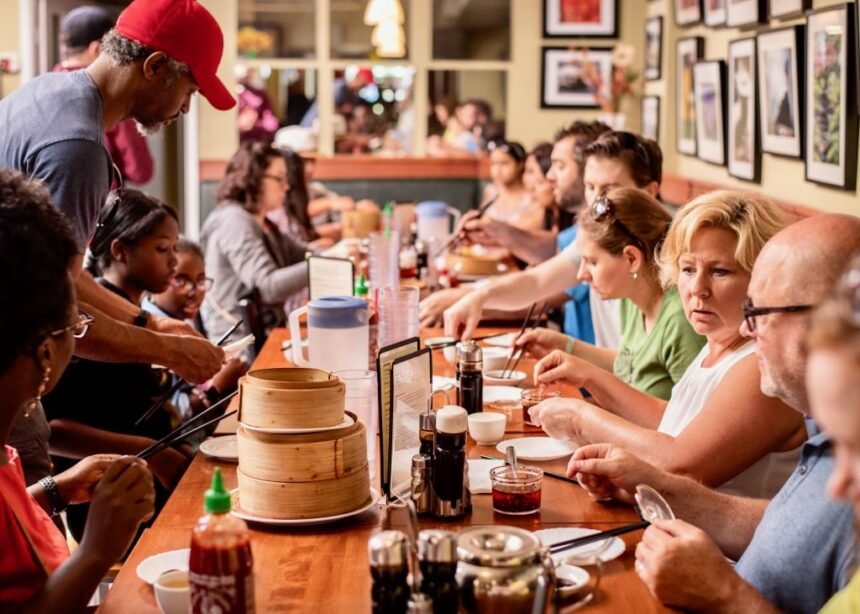
Toronto has earned a global reputation as one of the world’s most multicultural cities, and nowhere is this diversity more visible than in its food scene. The city’s restaurants, markets, food halls, bakeries, cafés, street food vendors, and family-run eateries reflect decades of immigration and cultural exchange that have transformed Toronto into Canada’s culinary capital.
Unlike many cities where international cuisine is concentrated into a few neighborhoods or adapted heavily for tourists, Toronto offers remarkably authentic food experiences from nearly every corner of the world. Visitors can eat handmade dumplings in Chinatown, enjoy Caribbean roti in Scarborough, sample Ethiopian cuisine on the Danforth, experience Middle Eastern bakeries in North York, taste Italian specialties in Little Italy, and explore modern Indigenous-inspired Canadian dining all within a single trip.
Toronto’s food culture also extends beyond restaurants. Farmers’ markets, multicultural festivals, specialty grocery stores, food trucks, waterfront dining, craft coffee culture, and innovative chef-driven tasting menus all contribute to the city’s international culinary identity.
For travelers, food lovers, and cultural explorers, Toronto offers one of the most exciting urban food experiences in North America.
This comprehensive culinary tour explores why Toronto is considered Canada’s most diverse food city in 2026, including its neighborhoods, iconic dishes, immigrant food cultures, food markets, modern dining trends, street food experiences, local specialties, and practical travel advice.
Why Toronto’s Food Scene Is So Diverse
Toronto’s diversity is rooted in immigration.
The city has welcomed communities from:
- Asia
- Europe
- Africa
- The Caribbean
- Latin America
- The Middle East
As a result, Toronto contains:
- Multilingual neighborhoods
- Family-owned restaurants
- Authentic regional cuisines
- International grocery markets
Official Toronto tourism website:
https://www.destinationtoronto.com/
How Immigration Shaped Toronto’s Culinary Identity
Generations of immigrants brought:
- Traditional cooking methods
- Regional ingredients
- Cultural food traditions
- Family recipes
This helped Toronto evolve into:
- A global culinary destination
Best Time to Explore Toronto’s Food Scene
Toronto offers year-round dining opportunities.
Spring
Spring brings:
- Outdoor patios reopening
- Farmers’ markets
- Food festivals
Summer
Summer is ideal for:
- Outdoor dining
- Street festivals
- Waterfront restaurants
- Food markets
Autumn
Autumn offers:
- Comfortable temperatures
- Seasonal Canadian ingredients
- Harvest-inspired menus
Winter
Winter remains excellent for:
- Cozy cafés
- Indoor markets
- Comfort food experiences
Kensington Market
Kensington Market is one of Toronto’s most famous food neighborhoods.
Why Kensington Market Matters
The district combines:
- International cuisine
- Independent cafés
- Latin American food
- Caribbean flavors
- Vintage culture
What To Eat in Kensington Market
Visitors may enjoy:
- Tacos
- Jamaican patties
- Vegan food
- Fresh pastries
- Bubble tea
Chinatown Toronto
Toronto’s Chinatown is one of the largest in North America.
Culinary Highlights
Travelers can experience:
- Dim sum
- Cantonese barbecue
- Hand-pulled noodles
- Dumplings
- Asian bakeries
Authentic Regional Chinese Cuisine
The city offers cuisine from multiple Chinese regions including:
- Cantonese
- Sichuan
- Northern Chinese traditions
Scarborough’s International Food Scene
Many food enthusiasts consider Scarborough one of Toronto’s best culinary districts.
Why Scarborough Is Important
The area contains:
- Caribbean cuisine
- South Asian restaurants
- Hakka food
- Middle Eastern bakeries
- African restaurants
Hakka Cuisine in Toronto
Toronto is particularly famous for:
- Indo-Chinese Hakka cuisine
Popular dishes include:
- Chili chicken
- Hakka noodles
- Manchurian dishes
Caribbean Food Culture in Toronto
Toronto’s Caribbean population has strongly influenced local cuisine.
Popular Caribbean Dishes
Travelers often seek:
- Jerk chicken
- Roti
- Oxtail dishes
- Patties
Little Italy
Toronto’s Italian community helped shape the city’s dining culture.
What To Experience
Visitors may enjoy:
- Espresso bars
- Pasta restaurants
- Gelato shops
- Wood-fired pizza
Café Culture
Italian café traditions contributed heavily to:
- Toronto’s coffee culture
Greektown on the Danforth
Greektown is one of North America’s largest Greek neighborhoods.
Popular Food Experiences
Travelers can try:
- Souvlaki
- Grilled seafood
- Spanakopita
- Greek pastries
Taste of the Danforth Festival
Official event website:
https://tasteofthedanforth.com/
The festival celebrates:
- Greek culture
- Food traditions
- Community events
St. Lawrence Market
Official website:
https://www.stlawrencemarket.com/
St. Lawrence Market is one of Toronto’s most iconic culinary destinations.
Why Food Lovers Visit
The market offers:
- Artisan vendors
- Canadian specialties
- International ingredients
- Fresh produce
Famous Peameal Bacon Sandwiches
One of Toronto’s best-known local specialties is:
- The peameal bacon sandwich
Distillery Historic District
The Distillery District combines:
- Historic architecture
- Restaurants
- Cocktail bars
- Artisan food experiences
Why It’s Popular
Visitors appreciate:
- Pedestrian-only streets
- Local food culture
- Atmospheric dining
Indigenous-Inspired Canadian Cuisine
Modern Toronto restaurants increasingly highlight:
- Indigenous ingredients
- Canadian culinary traditions
- Sustainable sourcing
Common Indigenous Ingredients
Possible ingredients include:
- Wild berries
- Bison
- Maple
- Smoked fish
Middle Eastern and Persian Food Scene
Toronto’s Middle Eastern food culture continues growing rapidly.
Popular Foods Include
- Shawarma
- Kebabs
- Persian rice dishes
- Baklava
- Fresh flatbreads
North York and Richmond Hill
These suburban areas are known for:
- Persian restaurants
- Chinese cuisine
- Korean food
- Bubble tea culture
Korean Food in Toronto
Toronto’s Korean restaurants offer:
- Korean barbecue
- Fried chicken
- Bibimbap
- Korean cafés
Japanese Dining Experiences
The city contains:
- Sushi restaurants
- Izakayas
- Ramen shops
- Japanese bakeries
Toronto’s Fine Dining Scene
Toronto has become internationally respected for:
- Chef-driven restaurants
- Tasting menus
- Innovative Canadian cuisine
Farm-to-Table Dining
Many restaurants emphasize:
- Seasonal ingredients
- Local sourcing
- Sustainable practices
Food Halls and Modern Markets
Toronto’s food hall scene has expanded significantly.
Why Food Halls Are Popular
Visitors can sample:
- Multiple cuisines
- Local vendors
- Contemporary food trends
Toronto’s Dessert Culture
The city is famous for:
- Artisan bakeries
- Bubble waffles
- French pastries
- Ice cream shops
- International desserts
Canadian Dessert Experiences
Popular local treats include:
- Butter tarts
- Nanaimo bars
- Maple desserts
Coffee Culture in Toronto
Toronto has a strong independent coffee scene.
Café Experiences Include
- Specialty roasting
- International café styles
- Artisan pastries
- Remote work spaces
Food Festivals in Toronto
Toronto hosts numerous culinary festivals.
Popular Events Include
- Taste of the Danforth
- Toronto Food and Wine Festival
- Multicultural street festivals
Why Food Festivals Matter
They showcase:
- Cultural diversity
- Community traditions
- Local chefs
- International cuisine
Waterfront Dining in Toronto
Toronto’s waterfront areas offer:
- Lake Ontario views
- Patio dining
- Seafood restaurants
Harbourfront Centre
Official website:
https://harbourfrontcentre.com/
The area features:
- Cultural programming
- Seasonal food events
- Waterfront attractions
Toronto’s Craft Beer and Cocktail Scene
Toronto also has a growing reputation for:
- Craft breweries
- Cocktail bars
- Distillery experiences
Local Beverage Culture
Travelers can enjoy:
- Ontario wines
- Craft beer
- Canadian whiskey
Budget-Friendly Food Experiences
Toronto’s diversity allows excellent dining at many price levels.
Affordable Food Options
Visitors can often find:
- Street food
- Food court specialties
- Family-owned restaurants
- Market dining
Public Transportation and Food Exploration
Toronto’s transit system helps visitors explore multiple food districts.
Official TTC website:
https://www.ttc.ca/
Transportation Options Include
- Subway lines
- Streetcars
- Buses
Cultural Etiquette and Dining Customs
Toronto’s multicultural environment encourages:
- Respect for diverse food traditions
- Openness to international cuisines
Tipping Culture in Toronto
Restaurant tipping is customary in Canada.
Typical Expectations
Tips are commonly expected for:
- Restaurant service
- Bars
- Food delivery
Sustainable and Responsible Food Tourism
Travelers can support:
- Local businesses
- Independent restaurants
- Sustainable food practices
Eco-Friendly Dining Tips
Support Local Markets
This benefits regional food producers.
Reduce Food Waste
Order thoughtfully when sampling multiple dishes.
Explore Smaller Family-Owned Restaurants
Independent businesses contribute strongly to Toronto’s food identity.
Common Mistakes Visitors Make
Staying Only in Downtown Tourist Areas
Many of Toronto’s best food experiences are outside major tourist districts.
Underestimating Toronto’s Size
Travel times between neighborhoods can be longer than expected.
Focusing Only on One Cuisine
Toronto’s strength is its extraordinary diversity.
Ignoring Reservation Requirements
Popular restaurants may require advance booking.
Frequently Asked Questions
Why is Toronto considered Canada’s most diverse food city?
Toronto’s multicultural population has created one of the world’s broadest collections of authentic international cuisines.
What food is Toronto famous for?
Popular local specialties include peameal bacon sandwiches, multicultural street food, and diverse immigrant cuisines.
What is the best neighborhood for food in Toronto?
Popular food districts include Kensington Market, Chinatown, Scarborough, and the Danforth.
Is Toronto expensive for dining?
Toronto offers dining options at nearly every budget level.
What is the best time for food tourism in Toronto?
Summer and autumn are especially popular because of patios, markets, and festivals.
Conclusion
Toronto continues to stand out as one of the world’s most exciting culinary destinations because of its extraordinary cultural diversity, immigrant food traditions, and constantly evolving restaurant scene. Few cities offer such a wide range of authentic international cuisines within a single metropolitan area.
From the bustling food stalls of Kensington Market and the dim sum restaurants of Chinatown to Scarborough’s Caribbean and South Asian food culture and the elegant dining experiences of the Distillery District, Toronto rewards travelers with remarkable culinary variety and cultural depth.
The city’s food identity reflects generations of immigration, entrepreneurship, creativity, and multicultural coexistence that continue shaping Toronto into Canada’s most dynamic food city.
Whether travelers are searching for street food, family-owned restaurants, modern Canadian fine dining, artisan coffee shops, food festivals, or globally inspired cuisine, Toronto offers unforgettable experiences that go far beyond traditional tourism.
As culinary tourism, multicultural dining, and sustainable food culture continue growing in 2026 and beyond, Toronto remains one of North America’s essential destinations for food lovers seeking authenticity, innovation, and one of the world’s most diverse urban dining experiences.